
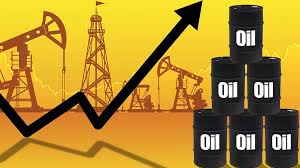
Global crude oil prices have been rising again, creating concern among governments, businesses, and consumers across the world. As one of the largest oil-importing countries, India is directly affected by fluctuations in crude oil prices. Higher oil prices can influence everything from fuel costs to inflation and economic growth.
In recent weeks, international crude oil prices have moved upward due to geopolitical tensions, supply concerns, and rising global demand. This trend has important implications for India’s economy and everyday life.
Why Are Crude Oil Prices Increasing?
Several global factors are responsible for the recent increase in crude oil prices:
1. Geopolitical Tensions
Conflicts and political instability in major oil-producing regions, particularly in the Middle East, often disrupt supply chains. When supply becomes uncertain, oil prices usually rise in international markets.
2. Production Cuts by Oil-Producing Countries
Major oil-producing nations sometimes reduce production to stabilize or increase prices. Lower supply in the global market can push prices higher.
3. Rising Global Demand
As economies recover and industrial activities increase, the demand for energy also rises. Growing demand from large economies such as China, India, and the United States contributes to higher oil prices.
4. Transportation and Shipping Costs
Higher logistics and shipping costs can also impact crude oil prices, especially when trade routes become risky due to geopolitical tensions.
Impact on India’s Economy
India imports a large portion of its crude oil requirements, which makes the country vulnerable to global price fluctuations. When crude oil prices increase, several sectors are affected.
Fuel Prices
Petrol and diesel prices may rise if crude oil prices remain high for a prolonged period. This directly affects transportation and logistics costs.
Inflation
Higher fuel prices often lead to increased costs for goods and services. Transportation, manufacturing, and agriculture become more expensive, which can push inflation upward.
Government Spending
The government may need to adjust taxes or provide subsidies to control the impact on consumers. This can affect fiscal planning and government expenditure.
Trade Deficit
Higher oil import bills increase the country’s trade deficit, which can put pressure on the national currency and economic stability.
How Businesses and Consumers Are Affected
Rising crude oil prices have a ripple effect across many industries:
- Transportation and logistics companies face higher operating costs.
- Airlines may increase ticket prices due to higher fuel expenses.
- Manufacturing industries experience higher production costs.
- Consumers may pay more for daily goods and services.
Even small increases in fuel prices can significantly impact household budgets over time.
India’s Strategy to Manage Rising Oil Prices
To reduce dependence on global oil markets, India has been focusing on several long-term strategies:
- Increasing renewable energy production, such as solar and wind power.
- Expanding electric vehicle adoption.
- Strengthening strategic petroleum reserves to manage supply disruptions.
- Diversifying oil imports from multiple countries to reduce dependency on a single region.
These efforts aim to protect the economy from sudden global oil price shocks.
Conclusion
The rise in crude oil prices is a major economic development with widespread consequences for India and the global economy. While short-term price fluctuations are common in energy markets, sustained increases can impact fuel costs, inflation, and economic growth.
For India, managing energy security and reducing dependence on imported oil will remain key priorities in the coming years. At the same time, the transition toward renewable energy and alternative fuels may help the country reduce the long-term impact of volatile crude oil prices.



 By
By